
Light Motif Definition: How Businesses Shape Impactful Brand Identity
Understanding the light motif definition is essential for businesses aiming to create memorable brand identities. A light motif in branding represents a recurring visual element—pattern, symbol, or design theme—that consistently appears across brand touchpoints to create recognition and emotional connection. This design approach transforms disparate brand elements into a cohesive visual language that audiences instantly recognize.
Light Motif Definition: Core Concept and Brand Context
The light motif definition combines “light” (suggesting illumination and clarity) with “motif” (a recurring thematic element), creating a design principle focused on repeating visual patterns that illuminate brand identity. Light motifs function as visual anchors that guide brand perception and serve as the foundation for consistent brand communication.
In practice, light motifs manifest as repeated shapes, color applications, typographic treatments, or graphic elements woven throughout a brand’s visual ecosystem. Nike’s swoosh, appearing across products, advertising, and digital platforms, exemplifies how a single motif becomes synonymous with brand values—in their case, movement and athletic achievement.
According to the American Marketing Association, brand identity encompasses visual and symbolic elements including a brand’s name, logo, color scheme, typography, and design elements that work together to create a recognizable image. The light motif definition extends this concept by focusing specifically on repeating visual patterns that enhance this recognition.
Furthermore, in product design, the successful implementation of light motifs often requires collaboration with specialists in motif designs lighting to ensure the visual theme is executed with technical precision.

The combination of red and green neon light patterns further highlights individuality and style.
Research Supporting Light Motif Effectiveness
NIQ research demonstrates that brand recognition depends on consumers’ ability to identify brands based on visual cues, with recognition occurring at both conscious and unconscious levels. This neurological reality makes motif-based branding exceptionally powerful for businesses seeking market differentiation.
The Psychology Behind Light Motif Definition in Branding
Human cognition operates on pattern recognition. When consumers encounter repeated visual elements, their brains create neural pathways associating those motifs with specific brands and attributes. This process operates largely subconsciously, building brand familiarity through exposure rather than conscious memorization. Understanding the light motif definition helps businesses leverage this psychological principle.
The Mere Exposure Effect in Branding
Visual motifs tap into what psychologists call the “mere exposure effect”—the phenomenon where repeated exposure to stimuli increases positive feelings toward that stimulus. Brands leveraging light motifs benefit from this psychological principle, with each motif appearance strengthening brand affinity.
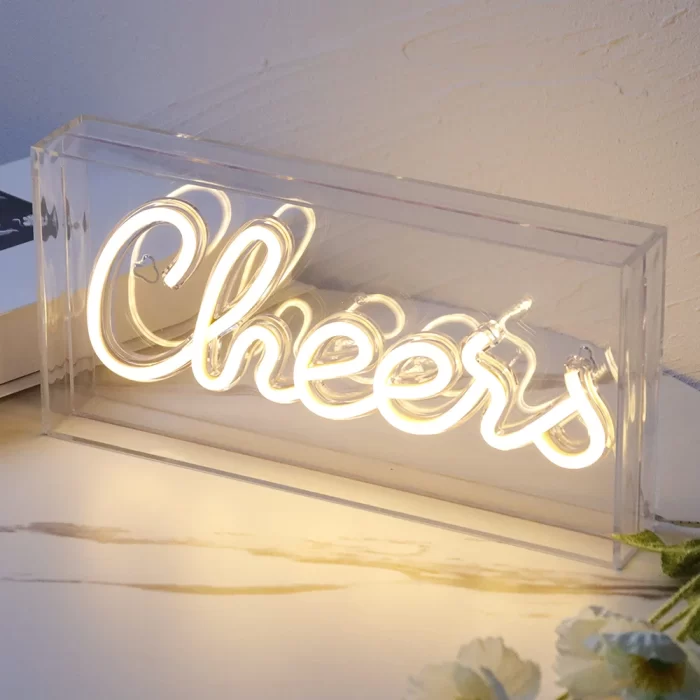
‘Cheers’ Neon Wordmark Motif and the Mere Exposure Effect
Color psychology intersects powerfully with motif design. Starbucks deploys its green siren logo motif to evoke growth, freshness, and environmental consciousness. The circular form repeats across cup designs, store signage, and mobile app interfaces, creating pattern-based recognition that transcends language barriers.
Geometric Meaning in Motifs
Geometric motifs communicate specific brand attributes: circles suggest community and wholeness, triangles convey stability and direction, while fluid organic shapes imply flexibility and natural values. Target’s bullseye motif combines circular unity with directional focus, visually encoding the brand’s promise of precise value delivery.
Pink Neon Elephant Outline Motif for Playful Brand Identity
Core Elements of Effective Light Motif Definition for Brand Identity
Understanding the light motif definition means recognizing that successful light motifs share three fundamental characteristics: simplicity, consistency, and strategic deployment.
Simplicity Ensures Scalability
The most effective motifs reduce complex brand values into elementary visual forms. Apple’s bitten apple icon functions across contexts from product packaging to 500-pixel mobile screens because its simple silhouette remains recognizable at any scale. Complex motifs fragment across applications, diluting recognition rather than building it.
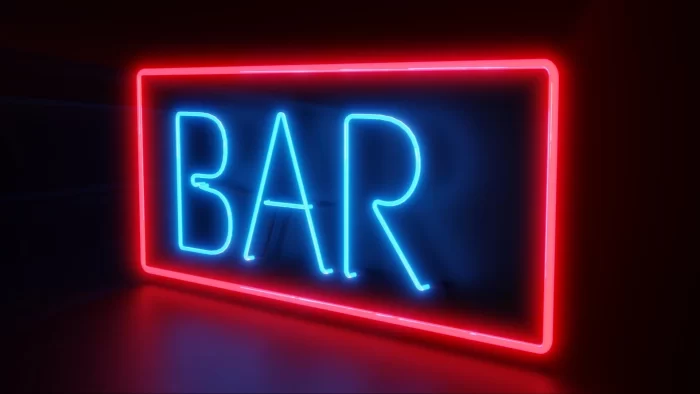
Minimal Neon BAR Sign as a Scalable Light Motif
Consistency Demands Rigorous Application
Brand guidelines must specify exact color values (HEX codes, Pantone numbers), proportions, spacing rules, and approved variations. Nielsen research shows that 59% of shoppers prefer buying from brands familiar to them, and consistent branding can lead to a 33% increase in brand visibility.
Inconsistent motif application confuses audiences and undermines the pattern recognition essential to motif effectiveness. This aligns with Nielsen Norman Group’s “Consistency and Standards” heuristic: people shouldn’t have to wonder whether different words, situations, or actions mean the same thing.Coca-Cola’s script typography motif maintains precise specifications worldwide, ensuring the characteristic curves appear identical whether printed on billboards or beverage cans.
Strategic Deployment Maximizes Impact
Effective motifs appear frequently enough to build recognition but selectively enough to maintain impact. McDonald’s golden arches motif permeates the brand experience—architecture, packaging, digital interfaces—yet never feels excessive because each application serves functional purposes beyond decoration.
Building a Light Motif System for Your Brand
Developing an effective light motif system requires methodical brand analysis followed by disciplined design execution. The light motif definition provides the framework for this systematic approach.
Brand Essence Distillation
Begin by identifying what core values, promises, or attributes define your brand. These abstract concepts need visual translation. A financial services firm prioritizing security and growth might develop motifs combining shield shapes with upward-trending elements. An organic food brand might employ leaf patterns or earthy geometric forms reflecting natural values.
Audit Existing Visual Assets
Many brands already use proto-motifs—recurring elements that lack formalization. Identifying these spontaneous patterns can reveal authentic visual directions already resonating with audiences, such as the widely popular use of christmas light motifs or specialized outdoor decorations like rope light motifs christmas and cost-effective solar christmas motif lights in seasonal retail displays.
Document color frequencies, recurring shapes, and compositional patterns across current materials.
Design Motif Variations
Primary motifs work across major brand touchpoints (logos, hero imagery, packaging). Secondary motifs provide flexibility for specific contexts—social media, internal communications, seasonal campaigns—while maintaining visual connection to the primary system. This hierarchical approach prevents motif fatigue while ensuring consistent brand presence.
Test Across Mediums
Print the motif at business card size and billboard scale. View it on various screen sizes and backgrounds. Effective motifs maintain recognition despite dramatic context shifts. FedEx’s hidden arrow motif (formed by negative space between the E and X) works identically in the 50-pixel favicon and the 50-foot truck decal.
Implementing Light Motifs Across Brand Touchpoints
Comprehensive motif implementation transforms brand identity from concept to experience. The light motif definition emphasizes this holistic application approach.
Digital Environment Applications
Website navigation elements, loading animations, button designs, and content dividers can all incorporate brand motifs, much like the dynamic effects achieved by a wholesale led fountain motif light in a physical space or the coordinated sparkle of led motif christmas lights on an e-commerce banner.
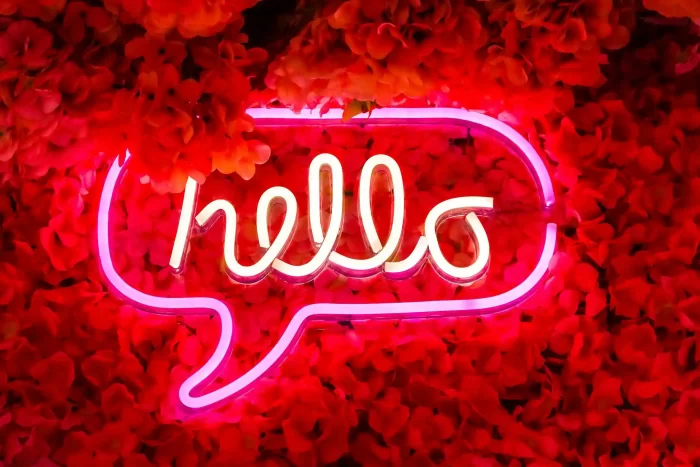
Neon ‘Hello’ Speech Bubble Motif for Digital Brand Experiences
Spotify’s sound wave motif appears in player interfaces, data visualizations, and promotional graphics, creating cohesive digital experiences that feel distinctly Spotify regardless of the specific page or feature.
Physical Space Integration
Retail environments can integrate motifs into flooring patterns, wall treatments, fixture designs, and architectural details. 
Neon Sign Wall Showing a Cohesive Light Motif System
The impactful display of lighted outdoor christmas motifs in public areas and retail facades, along with securing bulk orders from 3d stree poles motif lights wholesalers, demonstrates how brands utilize such visual tools for high-visibility seasonal communication.
The use of custom motif architectural lighting can extend the brand’s visual language beyond surfaces and into dynamic, illuminated displays, while sourcing from a wholesale street pole motif lighting provider allows for consistent urban branding across civic installations.
The circular motif from Starbucks’ logo extends to table shapes, lighting designs, and even the foam patterns baristas create on lattes, surrounding customers with reinforcing pattern exposure. Furthermore, the strategic placement of outdoor christmas light motifs can enhance neighborhood engagement and brand visibility during the holiday season.
Packaging as Brand Ambassadors
Product packaging offers sustained consumer exposure—items sit in homes for weeks or months. For luxury home goods, a simple box might hint at the elegance of a bamboo-motif 6-light chandelier within, whereas a specialized product might use a light green motif for wedding packaging to signify freshness and romance.
Repeating motifs across package fronts, sides, and interiors builds familiarity through daily interaction. Innocent Drinks uses hand-drawn illustration motifs across all packaging, creating an approachable, playful brand personality that consumers recognize instantly on crowded supermarket shelves.
Marketing Materials
Consistent motif application across advertisements, brochures, presentations, and promotional items ensures every brand interaction reinforces pattern recognition. IBM’s eight-bar logo motif extends into data visualization styles, creating instantly recognizable infographics that feel authentically IBM even without explicit logo placement.

Motif-Rich Neon Visuals for High-Impact Marketing Materials
Light Motif Definition in Design Trends: 2024-2025
Contemporary design trends are redefining how brands approach motif systems, with several movements gaining significant traction. The light motif definition evolves with these emerging trends.
Dynamic and Responsive Motifs
Dynamic motifs adapt to contexts while maintaining core recognition elements. Responsive logos and pattern systems adjust to screen sizes, aspect ratios, and user interactions without losing brand identity. Mozilla’s 2024 rebrand introduced a flexible motif system using playful typography and RGB green elements that adapt across digital platforms while remaining consistently recognizable.
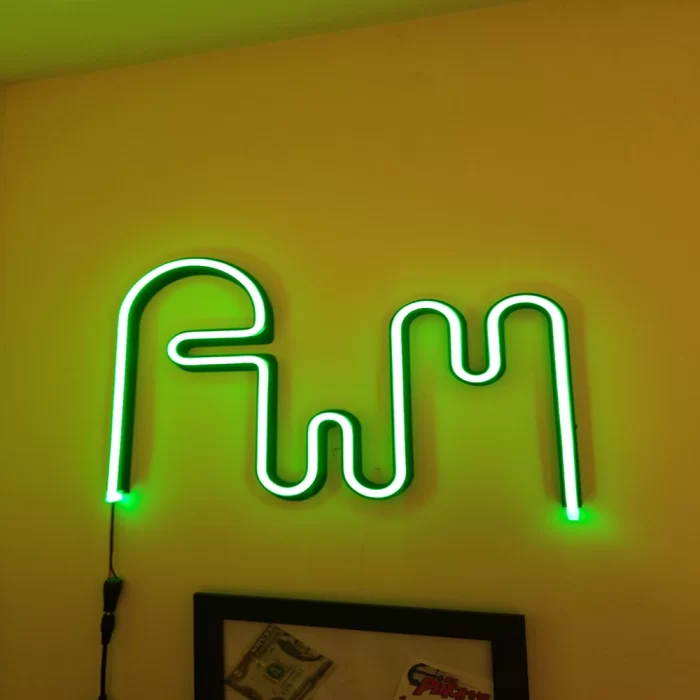
Abstract Green Neon Line as a Dynamic Light Motif
Sustainable Visual Narratives
Organic textures, natural geometric patterns, and earthy color motifs communicate sustainability values increasingly important to consumers. Patagonia’s mountain silhouette motif connects products, communications, and retail spaces to outdoor conservation themes central to brand positioning.
Nostalgic Motif Revival
Art Deco geometric patterns, retro color combinations, and heritage typography motifs create emotional connections by evoking “better times” while maintaining modern relevance. L’eggs’ 2024 rebrand subtly updated its 1970s logo motif, modernizing the iconic design while preserving historical recognition.
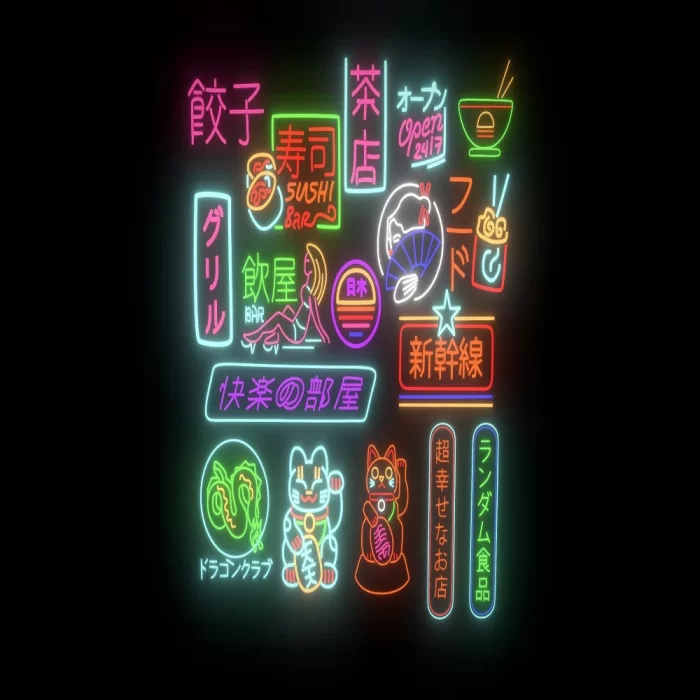
Japanese Neon Icon Collage for Nostalgic Motif Revival
Bold Minimalist Approaches
This approach cuts through digital clutter with stark simplicity. Brands employ single-color backgrounds, geometric shape motifs, and oversized typography to create instant impact on social media feeds where attention spans measure in seconds.
Motion-Based Motifs
Animated logo reveals, transition effects, and interactive elements become motif components in digital experiences. This is especially true for seasonal campaigns that utilize the warm glow of a christmas motif light, often featuring specialized pieces like an led angel motif light to evoke specific emotions, or when retailers actively promote a christmas motif lights sale to move themed inventory.
This approach extends the brand’s emotional reach, culminating in large-scale installations featuring a celebratory merry christmas motif light sign alongside complex christmas motifs lights and the fundamental christmas light motif itself. These motion patterns create memorable brand moments while maintaining static motif coherence in print applications, a principle also seen in seasonal campaigns that utilize elements like the classic christmas lights motif and large-scale activations such as securing a 3d stree poles motif lights wholesale order for city-wide displays.
Measuring Light Motif Effectiveness
Quantifying motif impact helps optimize brand design systems and justify creative investments.
Brand Recognition Metrics
A/B testing can compare recognition rates between motif-heavy and motif-light designs, revealing motif contribution to brand awareness. Survey participants who correctly identify brands from isolated motif elements (logo removed) demonstrate strong motif effectiveness.
Engagement Analytics
Higher click-through rates, longer time-on-page, and increased social sharing of motif-rich content indicate audience response to visual consistency. Heat mapping can reveal whether users’ eyes gravitates toward motif elements, confirming their attention-capturing effectiveness.
Consistency Audits
Automated design governance tools can scan digital properties identifying color deviations, improper motif applications, or missing pattern elements. Consistency scores above 90% across all brand materials suggest mature motif systems effectively guiding brand expression.
Market Differentiation Analysis
Visual distinctiveness matters—motifs too similar to category competitors fail to differentiate. Side-by-side motif comparisons help identify unique visual territory where your brand can establish ownable patterns unavailable to competitors.
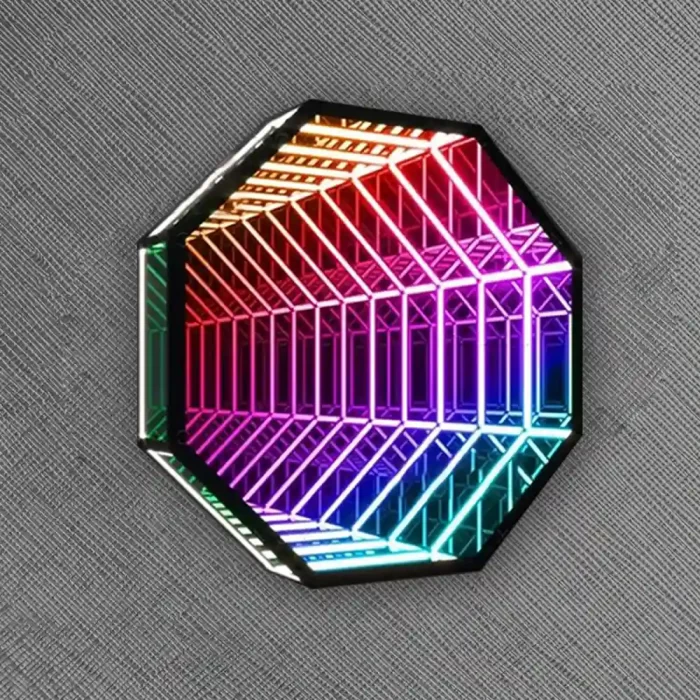
Geometric Neon Pattern Motif for Market Differentiation
Common Light Motif Design Mistakes to Avoid
Several pitfalls undermine motif system effectiveness, despite good intentions. Applying the proper light motif definition helps avoid these errors.
Overcomplication Kills Recognition
Designers sometimes create intricate patterns that lose coherence at small sizes or in quick exposures. The most memorable motifs—Apple’s apple, Twitter’s bird, Shell’s shell—read instantly because they embrace simplicity. Complex motifs fragment across applications, requiring audiences to work harder for recognition.
Inconsistent Application
Using motifs at different scales, with varying color treatments, or with unauthorized modifications prevents the repetition necessary for neural pattern formation. Every motif variation creates a new pattern audiences must learn, diluting recognition rather than building it.
Following Trends Too Closely
Following current design fads creates motifs requiring frequent updates as trends shift. The strongest motifs transcend trends through timeless geometric or symbolic foundations. Coca-Cola’s script has remained essentially unchanged since 1886 because its flowing letterforms don’t depend on temporary aesthetic preferences.
Insufficient Integration
Applying motifs only to logos while using generic design elsewhere wastes brand-building opportunities. Comprehensive motif systems weave recurring elements throughout all brand expressions, multiplying exposure and pattern reinforcement.
Cultural Insensitivity
Geometric patterns, colors, and symbols carry different meanings across cultures. Purple suggests luxury in Western markets but mourning in some Asian contexts. Thorough cultural research prevents motif choices that alienate international audiences.
Creating Custom Light Motifs vs. Template-Based Approaches
Businesses face resource decisions when developing motif systems: invest in custom design or adapt existing frameworks.
Custom Motifs Offer Uniqueness
Professional designers create patterns specifically reflecting your brand essence, values, and positioning. Custom development allows perfect alignment between brand strategy and visual execution. Investment ranges from $5,000 for small business systems to $100,000+ for comprehensive corporate identities, but the resulting motifs belong exclusively to your brand.
Custom design processes typically span 8-16 weeks, including brand research, concept development, stakeholder refinement, and comprehensive application guidelines. The resulting motif system becomes a long-term brand asset potentially valuable for decades.
Template-Based Efficiency
Pre-designed motif systems, available through platforms like Canva, Adobe Stock, and design marketplaces, provide immediate implementation at fraction of custom costs, much like a municipal buyer might seek out 3d stree poles motif lights wholesale pricing or partner directly with street pole motif lighting wholesalers for large-scale urban projects.
Modified templates can establish visual consistency quickly, particularly beneficial for startups and small businesses with limited budgets.
However, template motifs risk similarity to competitor implementations. Other brands may deploy identical or similar patterns, undermining differentiation. Template customization capabilities vary—some allow extensive modification while others restrict color and scale adjustments only.
Hybrid Approaches
Brands might use template-based secondary motifs while investing in custom primary patterns. This strategy balances budget constraints against differentiation needs, allocating resources toward the most visible brand elements while accepting standard solutions for supporting materials.
Integrating Light Motifs with Other Brand Elements
Motifs work synergistically with complementary brand components, creating holistic identity systems.
Typography Partnerships
Geometric motifs often pair effectively with clean sans-serif typefaces, while organic motifs complement serif fonts or hand-drawn typography. The visual language should feel unified—sharp, angular motifs clash with flowing script fonts, while rounded motifs harmonize with friendly, approachable typography.
Color System Integration
Motifs can deploy primary brand colors, serve as neutral pattern elements allowing color flexibility, or introduce accent hues appearing exclusively in motif contexts. Consistency matters: if your motif uses a specific blue, that exact shade should appear in color guidelines and other brand applications.
Photography Style Alignment
Brands using bold geometric motifs might employ clean product photography with minimal backgrounds, allowing motifs to frame without overwhelming. Organic motifs often complement lifestyle photography featuring natural environments and human stories.
Messaging Tone Synchronization
Playful, whimsical motifs support conversational, friendly messaging while serious, structured motifs reinforce professional, authoritative communication. Misalignment between visual and verbal brand personalities confuses audiences and dilutes brand impact.
Industry-Specific Light Motif Definition Applications
Different sectors leverage motifs addressing unique market needs and audience expectations. The light motif definition adapts to industry-specific requirements.
Technology Companies
Technology firms often employ geometric, forward-pointing motifs suggesting innovation and progress. Arrow elements, connected nodes, and circuit-inspired patterns communicate technological sophistication. IBM’s striped motif, Microsoft’s window grid, and Intel’s circular swoosh all translate complex technology into simple, recognizable patterns.
Food and Beverage Brands
Food brands use organic motifs connecting products to ingredients, flavors, or culinary traditions. Leaf patterns suggest freshness, wheat motifs communicate artisanal quality, and fruit illustrations establish flavor expectations. These motifs work across packaging, menus, and restaurant environments, creating sensory anticipation before consumption.
Financial Institutions
Financial brands deploy stable, symmetrical motifs projecting security and trustworthiness. Shield shapes, balanced geometric forms, and ascending line elements communicate financial protection and growth. These conservative motifs reassure audiences entrusting significant resources to the brand.
Fashion Retailers
Fashion brands embrace expressive, trend-conscious motifs reflecting style leadership. Seasonal motif variations keep visual identities fresh while maintaining core recognition elements. Luxury brands employ refined, minimal motifs suggesting exclusivity, while fast fashion retailers use bold, energetic patterns attracting younger demographics.
Healthcare Organizations
Healthcare brands utilize caring, accessible motifs balancing professionalism with approachability. Cross motifs communicate medical expertise, while circular forms and gentle curves suggest holistic wellness approaches. Color choices typically favor calming blues and nurturing greens over aggressive or intense hues.
Evolving Your Light Motif System Over Time
Brand motifs require periodic evaluation and thoughtful evolution as markets and audiences change.
Gradual Refinement Preserves Recognition
Subtle updates every 5-10 years keep motifs contemporary without abandoning established equity. Shell Oil has modified its shell motif repeatedly since 1900, each iteration slightly streamlining the design while maintaining the fundamental seashell form that audiences recognize.
Extension Not Replacement
Brands might develop seasonal motifs, product-specific variations, or market-targeted adaptations while keeping core motifs unchanged. This approach provides creative flexibility without sacrificing recognition investment.
Consistency in Change
When updating motifs, preserve elements providing recognition—color palette, basic geometry, or symbolic meaning—while refreshing dated aspects. This balance respects brand heritage while acknowledging market evolution.
Stakeholder Communication
Internal teams and long-time customers may resist changes to familiar patterns. Explaining evolution rationale—market research, demographic shifts, application requirements—builds support for necessary updates while honoring audience attachment to existing designs.
Frequently Asked Questions About Light Motif Definition
What distinguishes a light motif from a regular logo?
A logo functions as a singular identifier, while a light motif is a repeating visual element that can be separated from the logo and applied independently across brand touchpoints. The logo might incorporate motif elements, but the motif system extends beyond the logo to create a broader pattern language.
For example, Target’s logo is the bullseye, but their motif is the circular pattern that appears in store designs, advertisements, and promotional materials even when the logo isn’t present.
How many motifs should a brand maintain simultaneously?
Most successful brands deploy one primary motif supplemented by 2-3 secondary patterns. A single strong motif provides focus and memorability, while secondary motifs offer application flexibility without fragmenting recognition. More than five concurrent motifs typically dilutes brand impact, requiring audiences to learn multiple patterns simultaneously.
Start with one well-executed primary motif before considering additions.
Can small businesses with limited budgets create effective light motifs?
Absolutely. Effective motifs depend more on consistent application than elaborate design. A small business can develop a simple geometric pattern, color combination, or typographic treatment using free design tools, then apply that motif rigorously across all materials—website, business cards, packaging, social media.
Consistency across limited touchpoints often proves more effective than inconsistent application of expensive, complex designs across many channels.
How long does it take for audiences to recognize a new light motif?
Research suggests consistent motif exposure over 3-6 months builds initial recognition among core audiences. Broader market recognition typically requires 12-24 months of sustained, consistent application.
Factors affecting this timeline include exposure frequency, market competition, motif distinctiveness, and application consistency. Brands advertising heavily or operating in high-visibility categories may achieve recognition faster than those with limited marketing reach.
Should light motifs differ between B2B and B2C brands?
While motif fundamentals apply universally, B2B brands typically favor simpler, more structured motifs projecting professionalism and reliability, while B2C brands enjoy greater creative latitude with playful or emotional patterns.
However, these are tendencies not rules. B2B brands selling creative services might employ expressive motifs demonstrating capabilities, while B2C brands in categories like insurance might use conservative patterns building trust. Context and strategy determine optimal approach more than business model alone.
The Strategic Value of Light Motif Definition
Light motifs represent more than aesthetic choices—they function as strategic brand assets building recognition, differentiation, and emotional connection. In an attention-scarce marketplace where consumers encounter thousands of brand messages daily, memorable visual patterns cut through noise, establishing brand presence before conscious evaluation occurs.
The strongest brands understand motifs as long-term investments rather than temporary campaigns. Just as Nike’s swoosh has represented athletic achievement for decades, your motif can become synonymous with your brand values, creating instant recognition that transcends language, literacy, and cultural boundaries.
Effective motif systems balance consistency with flexibility, providing clear brand expression while adapting to emerging media formats and changing market conditions. This dual quality makes motifs particularly valuable in today’s fragmented media environment where brand touchpoints multiply constantly—from traditional print to augmented reality, each new channel offers opportunities for motif application and recognition building.
By approaching light motif design as a foundational brand element rather than superficial decoration, businesses create visual languages that communicate instantly, resonate emotionally, and endure commercially. The pattern recognition hardwired into human cognition makes motifs exceptionally powerful tools for any organization serious about building lasting brand equity in competitive markets.