
3D Motif Light Frame Materials: Steel vs. Aluminum for Long-Life Commercial Outdoor Installations
When buyers compare 3D motif light frame materials for outdoor commercial projects, the real decision usually comes down to service life, maintenance access, corrosion risk, and replacement cost. In many long-life outdoor applications, aluminum gives procurement teams a stronger long-term position. Steel still fits some projects, but those projects usually involve shorter deployment cycles, lower exposure, easier access, or a planned replacement window.
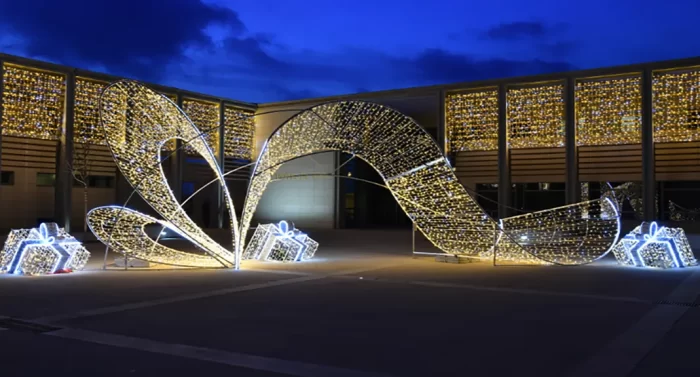
This guide helps procurement teams, project managers, engineers, specifiers, and purchasing decision-makers evaluate the right frame specification for outdoor use based on operating conditions and total cost of ownership instead of unit price alone. For a broader overview of motif light types, applications, and buying basics, see the Motif Light Guide for Commercial Projects.It also separates frame durability from full product certification early, because buyers often mix those two issues together during supplier review.
Executive Decision Card for 3D Motif Light Frame Materials
Use this section as a fast internal summary before detailed review.
| Project Condition | Better Fit |
|---|---|
| 5+ year outdoor service life | Aluminum |
| Coastal, humid, tropical, or industrial environment | Aluminum |
| Pole-mounted, elevated, or hard-to-access installation | Aluminum |
| Large multi-unit project with freight and labor pressure | Aluminum |
| Seasonal deployment with indoor off-season storage | Steel can work |
| Covered or indoor commercial environment | Steel can work |
| Budget-first project with planned earlier replacement | Steel can work |
Choose Aluminum When:
- The project needs a long outdoor service life
- The site creates ongoing corrosion pressure
- Maintenance access is expensive or disruptive
- Lower freight weight will improve project economics
- Structural degradation would create safety or liability exposure
Choose Steel Only When These Conditions Are All True:
- The deployment window is short or seasonal
- The site stays relatively dry or sheltered
- The team stores the units indoors when not in use
- The buyer accepts higher maintenance or earlier replacement as part of the plan
For most permanent outdoor commercial projects, aluminum is easier to defend in procurement review.For a comparison of 2D face materials including UV durability and cost, see 2D Motif Light Materials: PVC vs Acrylic for Outdoor Durability.
Why 3D Motif Light Frame Materials Need a Risk-Based Review
Buyers should not treat a 3D motif light frame like a simple decorative shell. A large 3D structure carries wind load, includes welds and connection points, creates hidden surfaces, and can trap moisture in areas that crews cannot inspect easily after installation. That combination changes the material decision.
Procurement teams usually need to assess four practical risks.
Service Life Risk
A 3D frame can start degrading in hidden areas long before the problem becomes obvious from the outside.
Maintenance Access Risk
Lift access, lane control, façade access, or night work can turn a small repair into a costly operation.
Replacement Risk
A replacement event often includes removal, transport, reinstallation, and schedule disruption. Buyers often under-budget those costs.
Safety and Liability Risk
Corrosion on a public-facing 3D installation is not always cosmetic. It can become a structural failure issue if the frame loses integrity at welds, brackets, or mounting points.
That is why buyers should treat 3D motif light frame materials as an ownership and risk decision, not just a raw-material comparison.
For the full certification and outdoor safety framework including structural EPA requirements, see the Motif Lights Compliance Guide.
How These Frame Materials Perform Outdoors
Aluminum Frames: Corrosion Resistance Starts in the Material
Commercial aluminum 3D motif lights often use 6061-T6 because it combines structural adequacy with low weight and strong outdoor durability. Aluminum does not rust like ferrous materials do. Instead, it forms a stable oxide layer on the surface. If the surface gets scratched, that protective layer reforms naturally.
For buyers, the practical point is simple: aluminum does not rely on one coating layer alone to preserve baseline corrosion resistance. Surface treatment still matters for appearance, wear, and system durability, but the substrate itself already resists corrosion.
Steel Frames: Outdoor Performance Depends on the Protection System
Steel remains attractive because it is familiar, widely available, and often less expensive at purchase. That cost advantage explains why many lower-budget motif light projects still use powder-coated steel.
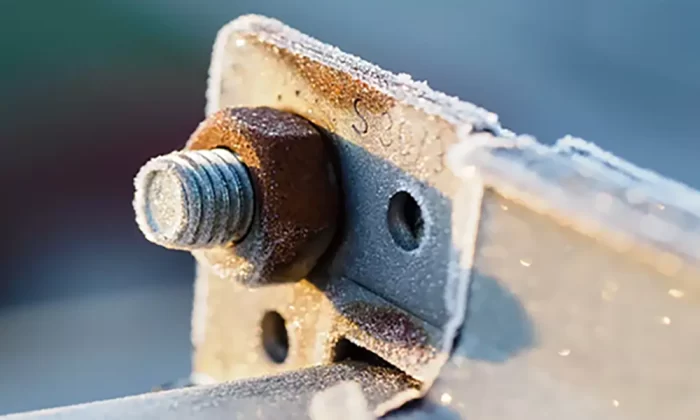
The tradeoff is equally clear. Steel performs outdoors only when the protection system performs outdoors. Surface preparation, coating thickness, adhesion, weld finishing, handling damage, installation damage, and maintenance discipline all affect how long that protection lasts. Once the coating system breaks at an edge, weld, hole, or impact point, corrosion can spread beneath or around the finish.
That difference sits at the center of every steel vs. aluminum motif light decision: aluminum keeps its baseline corrosion resistance even after surface damage, while steel depends far more on finish integrity over time.
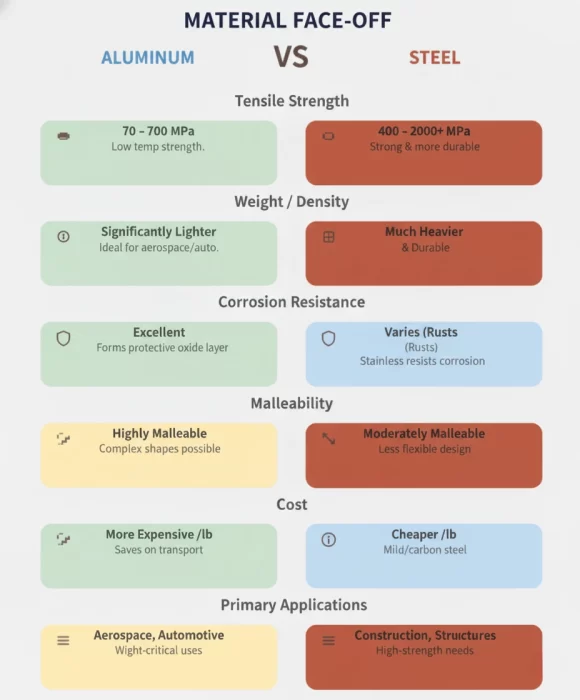
| Property | 6061-T6 Aluminum | Structural Steel |
|---|---|---|
| Density | ~2.7 g/cm³ | ~7.85 g/cm³ |
| Relative Weight for Similar Geometry | Much lighter | Much heavier |
| Baseline Corrosion Resistance | Inherent | Depends on finish system |
| Sensitivity to Coating Damage | Lower structural impact | Higher structural impact |
| Outdoor Maintenance Burden | Lower | Higher |
| Best-Fit Use | Long-life outdoor projects | Short-cycle or controlled environments |
When Aluminum Is the Better Long-Life Frame Option
Coastal and Salt-Exposed Projects
Salt-heavy environments put constant stress on coatings, fasteners, edges, and weld areas. In coastal projects, aluminum usually gives buyers a safer long-term frame choice for permanent or multi-year outdoor use.
Humid or Tropical Installations
High humidity and repeated wet-dry cycles increase the burden on coated steel systems. Aluminum often handles that long-term pattern with less intervention.
Industrial or Polluted Sites
Airborne contaminants, deposits, and aggressive surface conditions can shorten coating life and raise inspection frequency. Aluminum still needs proper finishing and cleaning, but it generally gives buyers more margin over a long ownership cycle.
Elevated or Hard-to-Service Installations
If the display sits on poles, façades, bridge features, or other hard-to-access structures, the frame should reduce maintenance frequency rather than increase it. In those projects, the material choice directly affects operating cost.
Five-Year and Longer Outdoor Projects
Once the project moves into a five-, eight-, or ten-year service horizon, aluminum usually becomes the more credible outdoor frame option because the ownership model matters more than the purchase price.
For how frame material selection played out in a real multi-season streetscape programme, see the 2D Motif Lights Case Study: Municipal Holiday Streetscape Project.
When Steel Still Makes Sense
Steel is not automatically the wrong choice. It can still fit projects that stay within a narrower operating window.
Seasonal or Short-Cycle Programs
Steel can work for installations that run for a limited season, come down on schedule, and stay indoors during the off-season.
Covered or Indoor Commercial Use
Steel also fits atriums, covered retail areas, event builds, and similar spaces where weather exposure stays limited.
Budget-Limited Projects With Planned Replacement
A buyer can choose steel rationally when the team openly accepts higher maintenance or earlier replacement. Problems usually start when a project buys steel but silently expects aluminum-like service life.
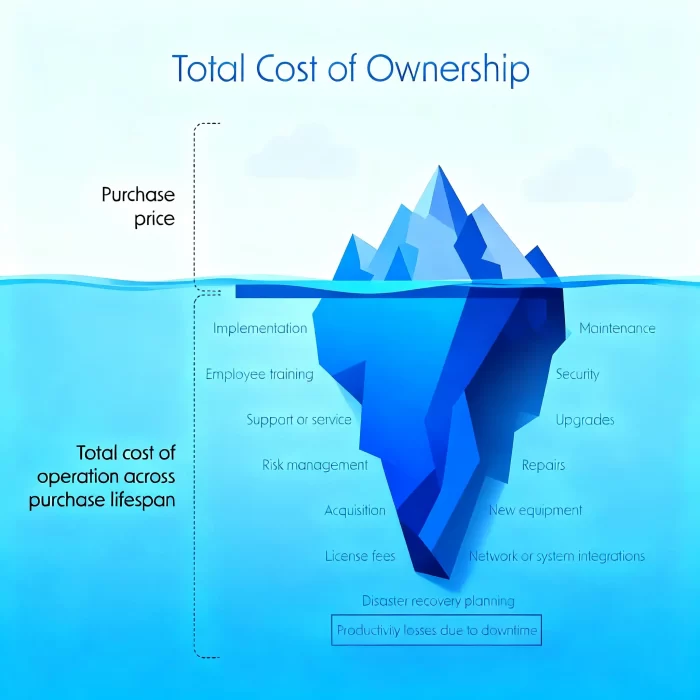
10-Year TCO Model for 3D Motif Light Frame Materials
A useful TCO model shows buyers where cost actually accumulates. It does not stop at frame price.
TCO Model Components
| TCO Component | What to Include |
|---|---|
| Initial Purchase | Frame cost and finish specification |
| Freight and Packaging | Shipping weight, packing volume, handling |
| Installation | Crew time, lift access, rigging, site constraints |
| Routine Maintenance | Inspection cycles, cleaning, touch-up work |
| Corrective Maintenance | Rust mitigation, coating repair, field fixes |
| Replacement Events | Removal, reshipment, reinstall, schedule disruption |
Assumption Framework
| Variable | Example Assumption |
|---|---|
| Project Size | 10–20 units |
| Service Horizon | 5, 8, or 10 years |
| Installation Type | Pole-mounted, elevated, or streetscape |
| Freight Profile | International shipment or long-distance domestic delivery |
| Access Requirement | Lift or crew access needed |
| Maintenance Cycle | Annual inspection for steel; periodic inspection and cleaning for aluminum |
| Replacement Analysis | Scenario-based or probability-based |
| Storage Profile | Permanent outdoor use |
Where Steel Looks Cheaper
Steel often wins on initial frame cost. That is the first number most buyers see, and it matters.
Where Aluminum Often Saves
Aluminum often reduces freight cost because the frames weigh far less. It can also reduce handling time, lift difficulty, and installation labor on elevated or multi-unit projects. Over time, aluminum often cuts corrosion-management work and lowers the chance of a disruptive replacement event.
The Costs Buyers Most Often Miss
Procurement teams often undercount these cost items when they compare frame options:
- site access for inspection or repair
- touch-up labor after coating damage
- downtime or schedule disruption during replacement
- reinstallation cost after a failed frame
- the compounding effect of maintenance across many units
Example Scenario: 15-Unit Streetscape Project
| Cost Area | Steel | Aluminum |
|---|---|---|
| Initial Frame Purchase | Lower | Higher |
| Freight and Handling | Higher due to weight | Lower due to weight |
| Installation Labor | Often higher | Often lower |
| Annual Maintenance Burden | Higher | Lower |
| Replacement Exposure Over Long Service Life | Higher | Lower |
| 10-Year TCO Trend | Can rise faster | Often stays steadier |
On a 15-unit outdoor project, steel may look better at purchase. Aluminum often closes that gap through lower shipping weight, easier handling, lower maintenance burden, and lower replacement exposure. In practice, the crossover usually comes from several smaller savings rather than one dramatic line item.
Outdoor Durability by Environment
| Environment | Steel | Aluminum | Procurement Guidance |
|---|---|---|---|
| Inland urban, standard exposure | Can work with tighter maintenance control | Strong long-life fit | Aluminum usually wins for 5+ year service |
| Coastal or salt-exposed | Higher finish-system risk | Stronger long-term fit | Specify aluminum with marine-suitable finish |
| Industrial or polluted | Higher inspection burden | More forgiving long term | Aluminum often lowers ownership risk |
| Tropical or high-humidity | Higher corrosion-management burden | Strong fit | Aluminum usually makes more sense |
| Dry, sheltered, seasonal | Can work | Can also work | Steel can fit if service life is short |
Performance still depends on fabrication quality, finish quality, fastener selection, handling, installation detail, and maintenance practice.
Supplier Checklist for Procurement Approval
Material choice helps, but supplier execution decides whether the frame actually performs as specified.
Approval Checklist
- Confirm welder qualification records
- Confirm frame fabrication standards
- Review coating-process details
- Review inspection records for critical joints
- Request finish-system test documentation
- Verify fastener and isolation details for dissimilar-metal connections
Aluminum Execution Checks
- Review the welding process
- Confirm filler compatibility
- Check finishing sequence
- Review structural detailing at joints and brackets
Steel Risk Checks
- Check weld cleanup quality
- Check surface preparation quality
- Confirm coating coverage at edges and welds
- Review edge protection and impact-prone areas
This checklist moves the conversation from “the supplier says it is durable” to “the supplier documented how it built durability into the frame.”
Compliance and Testing: Frame-Level Review vs. Product-Level Review
Buyers often mix frame durability with product-level electrical compliance. Keep those two reviews separate from the start.
Frame-Level Review
Use these items to assess frame construction and durability:
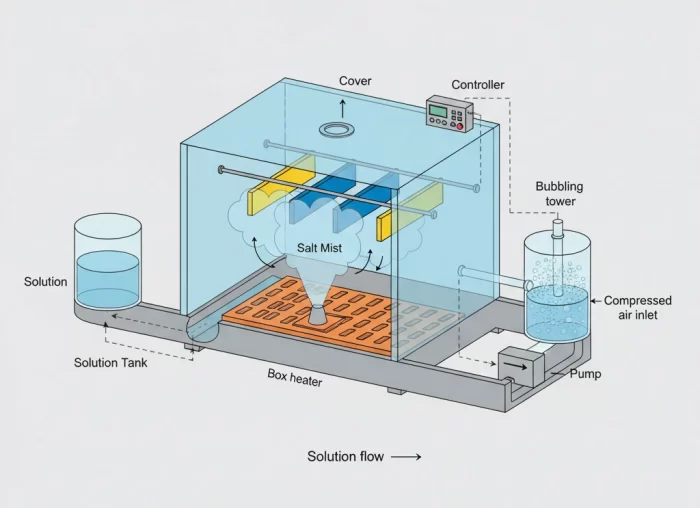
- ASTM B117 for salt-spray exposure on finished samples
- ISO 12944 for coating-system suitability on steel structures
- AWS welding standards for fabrication quality
- quality-system documentation such as ISO 9001:2015
Product-Level Review
Use these items to assess the full illuminated product:
- electrical safety certifications
- ingress protection such as product-level IP65 rating or similar enclosure performance
- regional compliance marks for the complete luminaire
For procurement teams managing pole-mounted 3D displays in public rights-of-way, see 3D Street Pole Motif Lights Wholesale for Municipalities.

How to Use ASTM B117 Correctly
ASTM B117 helps buyers compare coated, anodized, or otherwise finished samples under controlled salt-fog exposure. It does not directly predict bare-substrate field life by itself. When a supplier cites B117, ask for the actual report and sample description:
- what substrate the lab tested
- what finish system the sample used
- how many hours the sample completed
- what failure criteria the lab applied
That level of detail prevents a common procurement error: treating one corrosion test reference like a complete guarantee of outdoor service life.
Maintenance Planning for Long-Life Outdoor Use
Aluminum Frame Maintenance
Aluminum frames still need inspection and cleaning. Standard outdoor maintenance usually includes:
- visual inspection of joints, brackets, and fasteners
- periodic cleaning with suitable non-aggressive cleaners
- checks on isolators or washers at dissimilar-metal contact points
- more frequent rinsing in salt-heavy environments
Steel Frame Maintenance
Steel frames usually need a more active maintenance program:
- annual inspection of coating condition
- close review of welds, edges, holes, and impact points
- prompt touch-up when crews find finish damage
- more frequent checks in humid, coastal, or industrial settings
That difference becomes much more important when the project includes many units spread across a streetscape or campus.
Frequently Asked Questions About 3D Motif Light Frame Materials
Which frame material usually lasts longer outdoors?
In most long-life outdoor commercial settings, aluminum usually lasts longer because the material itself resists corrosion, while steel depends more heavily on the long-term integrity of the finish system.
Is aluminum always the better choice?
No. Steel can still fit short-cycle, indoor, covered, or carefully managed seasonal projects.
What is the best choice for coastal 3D motif light installations?
For coastal or salt-exposed projects, aluminum usually gives buyers the safer long-term frame specification when the supplier also specifies the finish system, fasteners, and isolation details correctly.
When does aluminum become cost-effective?
That depends on freight distance, installation difficulty, maintenance access, service life, and replacement exposure. Buyers should model those variables instead of comparing purchase price alone.
What should buyers request from suppliers?
Ask for finish-system test data, B117 reports where available, welding-standard documentation, coating information, and product-level compliance documents for the full illuminated unit.
What projects should avoid steel frames?
Projects should usually avoid steel when they require long outdoor service life, face coastal or high-humidity exposure, sit in hard-to-access locations, or create high safety and liability risk if the frame degrades.
What is the most common procurement mistake?
Buyers most often focus on upfront frame price and undercount maintenance access, corrosion management, replacement cost, and the difference between frame durability and full product certification.
For buyers comparing 3D motif light frame materials, the right answer usually becomes clear once the project defines service life, environment, access difficulty, and ownership cost. Aluminum often gives commercial outdoor projects the stronger long-term position. Steel still fits selected short-cycle or controlled-environment use cases, but it works best when the project team openly plans for its narrower durability window.
Next Step: move from material comparison to specification review by checking frame construction details, finish-system data, maintenance assumptions, and supplier documentation before final approval.